
Luxury Roofing vs. Standard Options: Understanding the Difference


When it comes to roofing, homeowners have a wide range of options to choose from, each offering its own set of benefits and drawbacks. One of the key decisions you’ll face is whether to invest in luxury roofing or opt for more standard options. Understanding the differences between these choices can help you make an informed decision that suits both your aesthetic preferences and functional needs.
What Defines Luxury Roofing?
Luxury roofing is characterized by its high-end materials and exceptional craftsmanship. These roofs are designed not only to protect your home but also to enhance its overall appearance. Materials commonly used in luxury roofing include slate, clay tiles, and high-end metal options like copper. These materials are known for their longevity, often lasting several decades or even a century with proper maintenance.
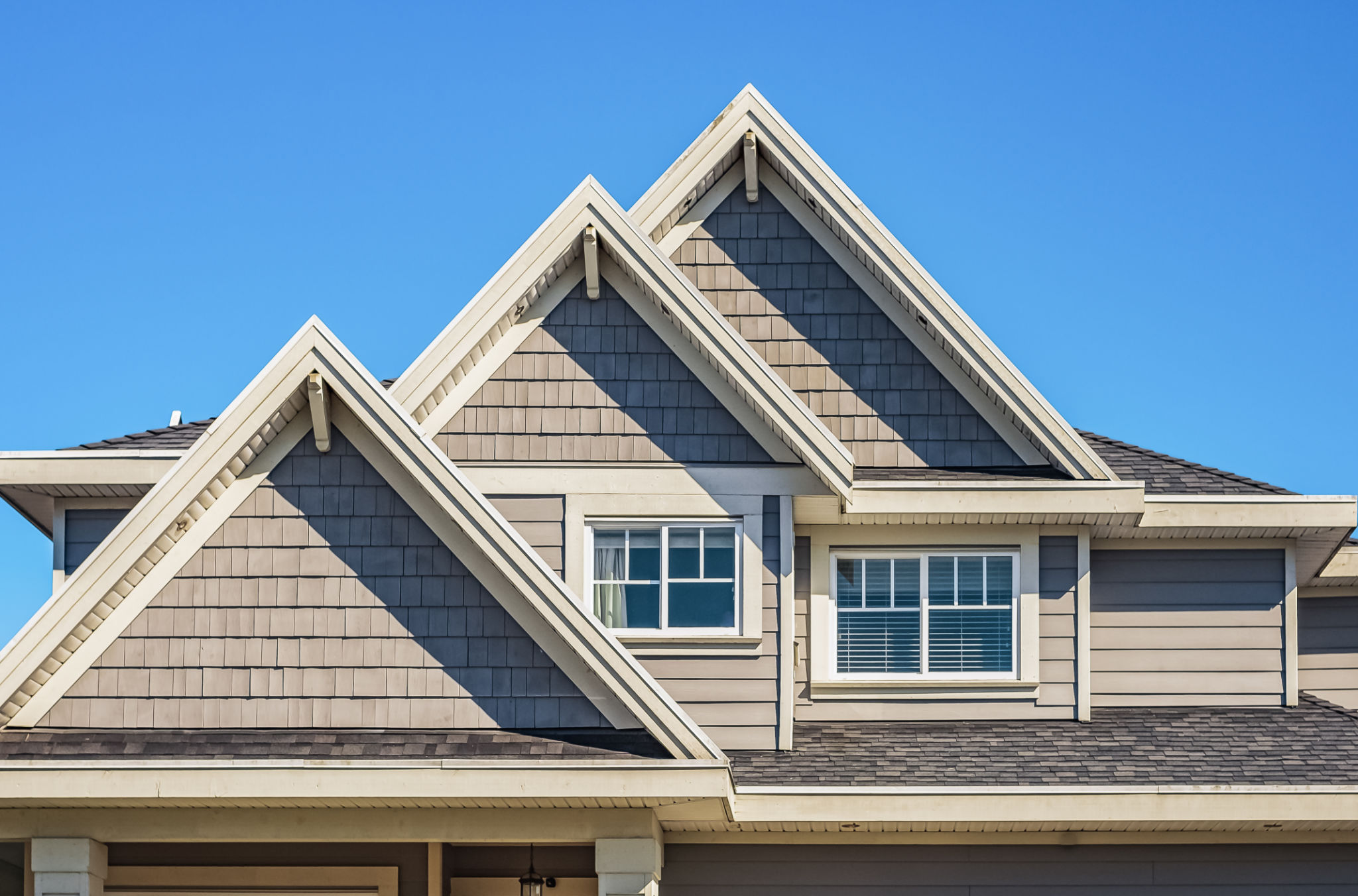
The appeal of luxury roofing lies in its combination of durability and beauty. Homeowners who choose luxury roofing are often looking for a unique aesthetic that adds significant value to their property. Additionally, these roofs typically offer excellent weather resistance, making them ideal for homes in areas prone to extreme weather conditions.
Standard Roofing Options
Standard roofing options, on the other hand, generally include asphalt shingles, wood shakes, and basic metal roofing. These materials are more affordable and widely available, making them a popular choice for many homeowners. While they may not offer the same level of prestige as luxury materials, they can still provide reliable protection for your home.
Asphalt shingles are the most common type of roofing material due to their cost-effectiveness and ease of installation. They come in a variety of colors and styles, allowing homeowners to customize their look without breaking the bank. However, they typically have a shorter lifespan compared to luxury options, often requiring replacement after 20 to 30 years.

Cost Considerations
One of the primary factors influencing the choice between luxury and standard roofing is cost. Luxury roofing materials are significantly more expensive than standard options. The initial investment can be substantial, but the long-term benefits often justify the cost. Luxury roofs tend to increase the value of your home and can lead to savings on energy bills and maintenance costs over time.
Standard roofing options are more budget-friendly upfront, making them accessible to a wider range of homeowners. However, the potential for frequent repairs and replacements can add up over time, making luxury options more appealing in the long run for those who can afford the initial expense.

Aesthetic and Customization
The aesthetic value of luxury roofing cannot be overstated. These materials offer a level of customization and elegance that standard options simply cannot match. From the rich texture of slate to the classic charm of clay tiles, luxury roofing materials can transform the appearance of your home, making it a standout in any neighborhood.
Standard roofing materials, while less customizable, still offer a range of colors and styles. Homeowners can choose options that complement their home’s design and fit within their budget. Despite being less exclusive, standard options provide flexibility for those seeking a balance between cost and appearance.
Durability and Maintenance
Durability is another crucial factor in the luxury versus standard roofing debate. Luxury materials like slate and metal are renowned for their longevity and strength. They require minimal maintenance and are resistant to common issues such as rot, mold, and insect damage.
Standard roofing options may require more frequent maintenance and repairs, especially in harsh climates. However, with proper care, they can still provide adequate protection for your home. It's essential to weigh the cost of ongoing maintenance against the initial investment in luxury materials when making your decision.